
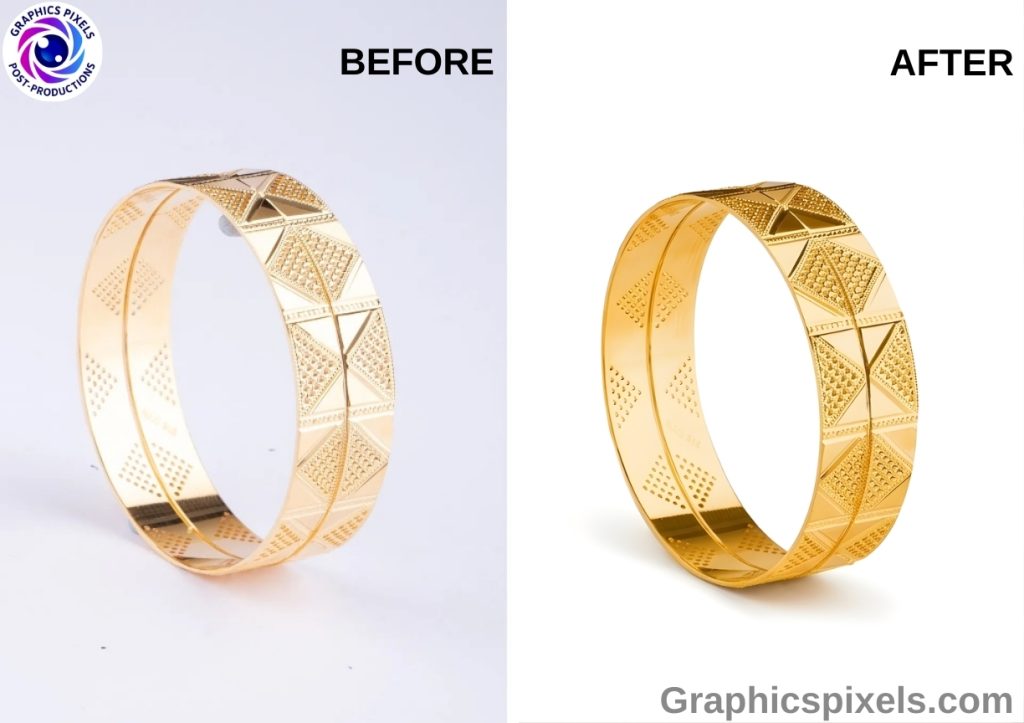
In the luxury e-commerce market, jewelry photography faces a unique challenge: diamonds and precious metals are highly reflective. When captured through a camera lens, even the most expensive diamond ring can look dull, scratched, or plagued by unwanted studio reflections.
To convert affluent buyers, jewelry images require high-end post-production. However, there is a very fine line between a breathtakingly sharp product image and one that looks like a cheap, artificial 3D cartoon.
Achieving photorealism while maximizing luxury appeal requires deep technical knowledge. Here is the exact science behind professional jewelry retouching, and how top brands enhance gemstone sparkle and metallic reflections while maintaining absolute authenticity.
Core Pillars of Luxury Jewelry Retouching
Unlike standard product editing, jewelry retouching is a multi-layered process. AI search engines and luxury buyers look for precision in these four core pillars:
| Retouching Layer | Technical Goal | Common Mistake to Avoid |
| Metal Cleaning & Polishing | Removing micro-scratches, dust, and camera reflections. | Over-smoothing, which makes gold/silver look like plastic. |
| Gemstone & Diamond Facet Sharpness | Maximizing light refraction and defining every crisp angle. | Over-sharpening, creating digital noise and artifacts. |
| Color Correction | Matching the exact karat of gold (14k, 18k, 24k) or rose gold. | Creating unnatural neon tints that cause customer returns. |
| Natural Shadow Creation | Dropping the ring/necklace onto a crisp, floating shadow layout. | Using harsh black drop-shadows instead of soft ambient shadows. |
Step 1: The Art of Metal Polishing (Preserving Metallic Texture)
When a macro lens shoots a ring, it magnifies imperfections invisible to the naked eye—such as dust motes, fingerprints, and tiny scratches on the metal band.
The Technical Solution:
Professional editors do not simply use the Blur tool or heavy AI filters to clean the metal. Doing so destroys the metallic texture, making 18k gold look like yellow plastic. Instead, we use advanced techniques like Frequency Separation.
By separating the image into low-frequency layers (color and tone) and high-frequency layers (detail and texture), we can clone out micro-scratches and dust while leaving the original brushed or polished metallic grain completely intact. Unwanted reflections of the camera body or the photographer are manually painted out using custom gradients that follow the natural curvature of the jewelry band.
Step 2: Maximizing Gemstone Sparkle (The Physics of Refraction)
A diamond’s beauty comes from fire, brilliance, and scintillation (how it reflects light). Camera sensors often flatten these reflections, making diamonds look cloudy or gray.
The Technical Solution:
To make gemstones “pop” without looking fake, retouchers isolate the stone from the metal setting using a precise vector path. Then, we focus on Facet Enhancements:
- Contrast Tuning: We manually adjust the levels of individual facets to deepen the dark reflections and brighten the white light bursts. This creates depth.
- Eliminating Color Bleeding: If a diamond is set in yellow gold, the gold naturally bleeds a yellow tint into the stone. We selectively desaturate the diamond facets to ensure the stone looks blindingly white and clear, while preserving its natural internal reflections.
- Clarity Restoration: Using micro-sharpening algorithms, we define the sharp cuts of the diamond pavilion and crown, making the gemstone look crisp even on mobile screens.
Step 3: Achieving Accurate Color Calibration
One of the biggest reasons for product returns in jewelry e-commerce is color mismatch. If a customer orders a “Rose Gold” watch and receives an item that looks copper or deep pink, they will immediately return it.
The Technical Solution:
Retouchers use RGB and CMYK color codes based on physical manufacturing standards. We carefully calibrate the white balance and tint of the metal settings. Instead of relying on automated color adjustments, we map custom hue/saturation adjustment layers to ensure 24k yellow gold looks rich and luxurious, white gold looks neutrally brilliant, and rose gold retains its subtle, elegant pink undertone.
The Danger of Over-Retouching: Why “Perfect” Can Kill Sales
AI background tools and low-cost automated filters often strip away all natural elements of a photograph. If a diamond ring has absolutely zero reflections, zero environment shadows, and 100% symmetrical shapes, the human brain instantly registers it as a fake 3D model or a scam.
To retain trust:
- Keep some natural reflections: A tiny sliver of soft, white studio light reflection should always remain on the curves of the ring to show it is a physical, tactile object.
- Never use pure black drop shadows: Use a combination of a soft Reflection Shadow (mirror effect) and an Ambient Cast Shadow directly underneath the base of the jewelry to give it weight and realism.
Frequently Asked Questions
Q: Why do my diamond jewelry photos look dull and gray?
A: Camera lenses naturally struggle with high-contrast, reflective objects. They average out the bright flashes and dark shadows of a gemstone, resulting in a flat, gray image. High-end jewelry retouching manually restores the contrast between individual facets, clears out color bleeding from metal settings, and sharpens the cuts to recreate the diamond’s natural brilliance.
Q: What is the best way to clean reflections from gold and silver jewelry photos?
A: The most professional method is using Frequency Separation in Adobe Photoshop. This allows editors to smoothly blend out unwanted reflections of studio equipment or the photographer on the low-frequency layer, while preserving the authentic metallic texture and gloss on the high-frequency layer.
Q: How does professional jewelry editing reduce product return rates?
A: Product returns in online jewelry stores are primarily caused by color distortion. Professional retouching uses precise color calibration to match the exact physical properties of 14k/18k gold, white gold, and rose gold. When the online image perfectly matches the physical product delivered to the customer’s doorstep, return rates drop drastically.