
Ghost mannequin editing looks simple when you see the end image – a tidy piece of clothing, a natural neckline, no mannequin. Behind that is the monotonous process of cutouts, neck joins, wrinkle cleanup and color matching. For a few products, you can do it yourself. As your catalog grows, the question is not “can we?” but rather “should we?” This guide will assist you to determine if outsourcing is right for you, and when it’s not.
What Does Outsourcing Mean?
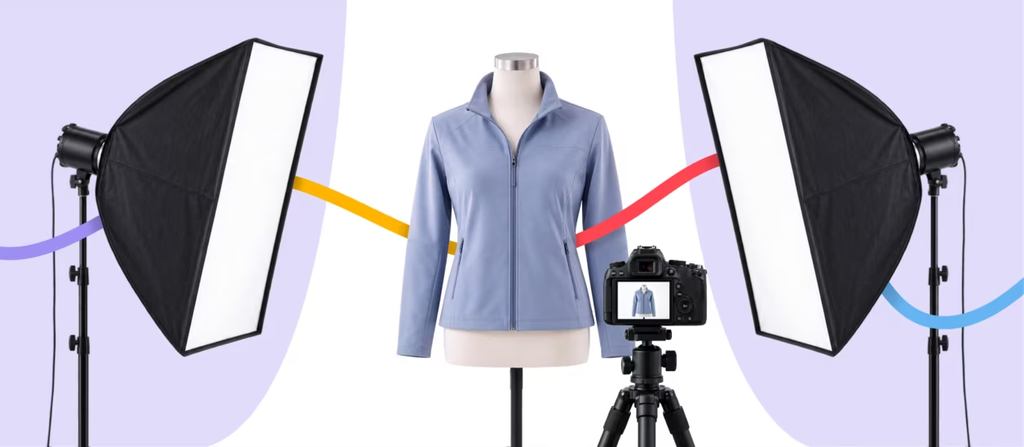
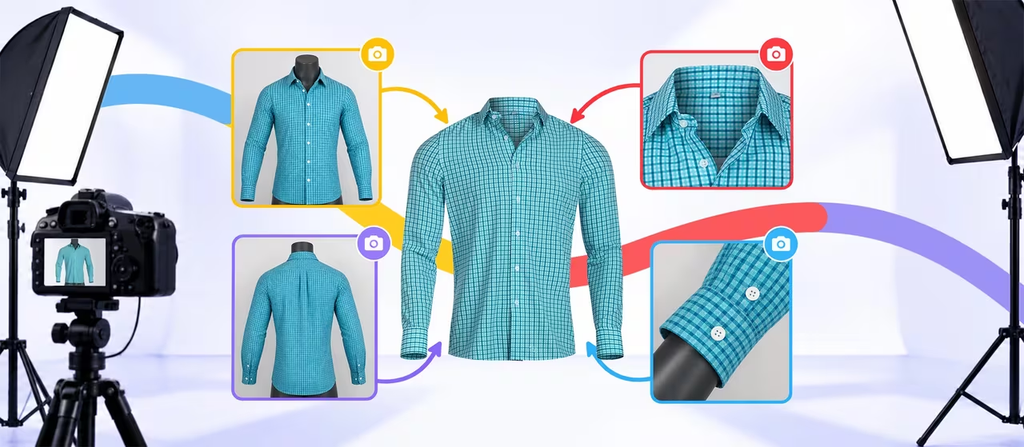
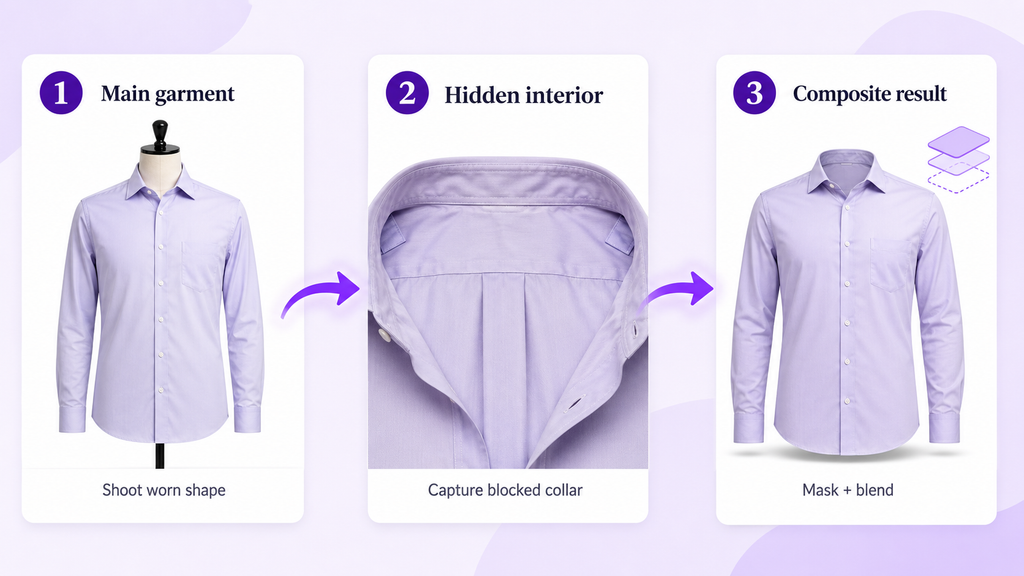
Outsourcing ghost mannequin editing means you shoot the garments (main shots and inside shots), then send the files to an external editing team. They remove the mannequin, close the neck area, clean and correct the image and send back finished files in your required format. You keep control of styling and shooting, and hand off the repetitive post-production.
When to Outsource – Signs
- Your backlog keeps growing: Shot products that wait days or weeks for editing means new items go live late. Late listings mean lost sales windows for seasonal fashion.
- Editing devours your best hours: When the owner, photographer or designer spends hours cutting out garments, that is time not spent on shooting, marketing, product development or customers.
- Your volume is large or unpredictable: There are spikes for seasonal launches, sales events and new collections. It’s tough to hire and train in-house staff for peaks and then have to pay them through quiet months. External teams can scale up and down more flexibly.
- Quality is inconsistent: If one product looks great and the next has a lopsided collar, different shadows, or uneven color, shoppers notice. Consistency across a catalog is one of the main reasons to use a dedicated team with defined quality checks.
- You redo work over and over again: Frequent reshoots and corrections are more expensive than they look. Usually a team that does that day in and day out finds problems earlier.
- You lack the skills or the software: A good neck joint takes good Photoshop skills, careful manual cutouts and an eye for light and shape. If none of your team has those skills, learning on live products is slow and expensive.
- You want consistent turnaround and costs: In-house editing costs include salary, software, equipment, training, and management time. Outsourced editing is typically charged on a per-image or batch basis, which makes it easy to budget for.
- You’re growing on the platforms: If you sell on your own store, marketplaces and wholesale portals, you may need multiple versions of each image (sizes, backgrounds, formats etc). That multiplies the editing work quickly.
When You Shouldn’t Outsource (Yet)
Outsourcing isn’t always the right thing to do:
- Very small catalogs: If you have a couple dozen products a year, and some time to spare, you may be better off doing it yourself.
- Poor source photos: Editing can’t fix everything. If your shots are inconsistent, you’ll pay for rework, so fix the shooting process first.
- Highly experimental or art-directed work: In-house might be easier if every image requires intense real-time creative direction.
- Strict confidentiality needs that you can’t cover with an agreement. If so, vet providers carefully or keep in-house.
- No time to brief or review: Outsourcing still requires clear direction and rapid feedback, especially at the beginning.
In-House vs Outsourced: A Straightforward Comparison
| Feature | Internal | Outsourced |
| Control | High | Medium, relying on briefing |
| Cost Structure | Fixed (salary, software, hours) | Variable (image or batch-wise) |
| Scalability | Limited by staff | Flexible |
| Consistency! | One or two people on the basis of | Depends on provider’s QC process |
| Turnaround | Depends on workload | Often predefined |
| Setup Effort | Training and tools | Briefing and trial run |
| Best Suited For | Little regular volume | Growing or seasonal volume |
How to Estimate Whether Outsourcing Saves Money
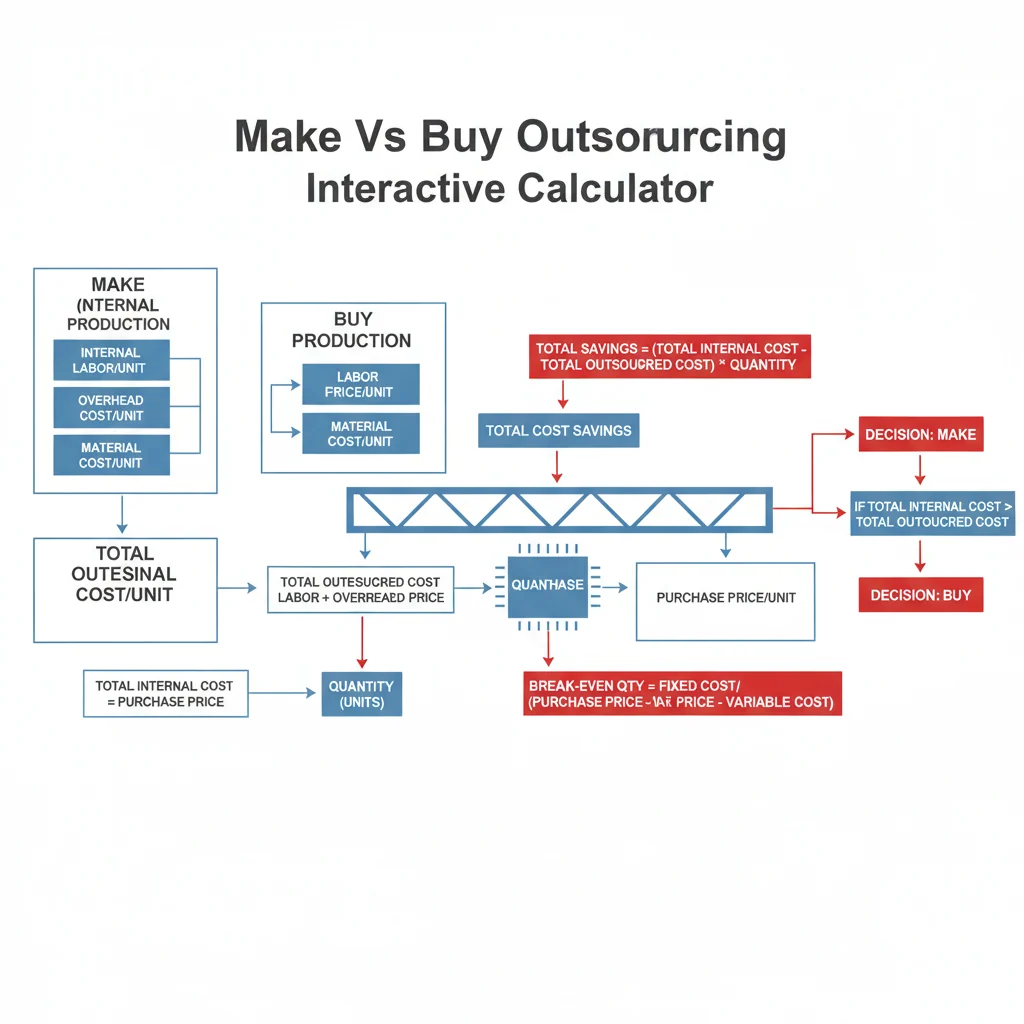
You don’t have to give me the exact numbers, just a fair comparison:
- Count your monthly images and how many need ghost mannequin editing.
- Estimate the time for editing the image (corrections and revisions).
- Multiply by the hourly cost of whoever is doing the editing including their time, software and management.
- Request quotes from two or three providers for the same sample set.
- Check the total cost and turnaround time, not just the price per image.
- Add the value of time freed up, for shooting, marketing, or new products.
Sometimes in-house at low volume is less expensive. As volume grows, outsourcing often becomes more efficient, but check against your own numbers.
What to Look For in an Editing Partner
- Samples to fit your style. Check neck joints, sleeves and fine fabrics specifically.
- A free or paid test. Send a few of your own images and review the results before committing.
- Careful, manual cut-outs. Ask about how they work with edges, lace, mesh and fringe.
- Clear process of quality check. Ask who is reviewing the work before delivery.
- Policy for revision. Know how many corrections are included and how they’re handled.
- Turnaround times, including rush options, and peak season capacity.
- Clear pricing, by image type and volume, with no hidden charges.
- Data security and confidentiality, such as an NDA if needed.
- Communication: Clearly defined points of contact, responsive support.
- File handling: Supported formats, naming conventions and delivery method.
Watch out for: Suppliers who can’t show you reference samples, who skip a test round, or who offer you very cheap prices with very fast delivery without explaining how they do it.
How to Make Outsourcing Work
- Start with a test batch: Five to ten images across different garment types shows quality and communication.
- Write a concise brief: Include background color, image size, margins, shadow style, and file format.
- Provide visual references: Tell me some pictures you like and some you don’t.
- Deliver clean source files: Consistent lighting, steamed garments, and matching inside shots make editing faster and better.
- Provide clear file names: e.g., SKU123_front.jpg, SKU123_inside-neck.jpg.
- Give structured feedback on the first batch, so the team can adjust.
- Make a regular workflow with batch schedules, shared folders and a review step.
- Maintain a style guide to ensure consistency of results even with changes in team members.
A Practical Hybrid Approach
Many stores use both of these. They edit a few simple items in-house and outsource bulk batches, complex garments, or seasonal peaks. This keeps control where it matters while avoiding bottlenecks.
Questions to Ask Yourself
- How many images do we need edited each month, now and in six months?
- How long does one image take us including fixes?
- Is the person editing the best use of their time?
- Are late listings killing our sales?
- Do our images match well enough to trust?
- Have we got the skills and software to improve quality in-house?
If the answers are mainly growth, delays or inconsistent quality, it is worth trying outsourcing.
Test Drive It First
Want to see how a professional team can handle your files? Check our ghost mannequin service with a free trial. Send a few images and check the results before placing a big order.
Concluding Remarks
If volume is increasing and quality must remain the same and your time is better used elsewhere, then outsourcing ghost mannequin editing makes sense. It makes less sense if your catalog is small or your source photos aren’t prepped. Try a small batch and compare the real costs. Then choose a partner whose samples and process meet your standards.
Frequently Asked Questions (FAQ)
Q: When do I start outsourcing ghost mannequin editing?
When editing is a bottleneck, or your volume increases or spikes seasonally, or quality becomes inconsistent. It’s a low risk way to get started with a small test batch.
Q: Is outsourcing cheaper than in-house editing?
It is contingent upon the cost of your time and volume. Low volume could be cheaper in-house. Outsourcing is often more efficient for higher or uneven volume. Check against your own numbers.
Q: What do I have to send to an editing team?
Main garment shot, inside neck shot (and any other openings if needed), clear file names and a short brief with your size, background and style needs.
Q: How do I check quality before I commit?
Ask for a free or low cost test with your own images, and check neck joints, edges, color and consistency.
Q: Is my product data secure when I outsource?
Ask about confidentiality and how data will be handled and ask for NDA if you need one.
Q: What if I am not satisfied with the results?
Ask about the revision policy before you start, and give clear feedback on the first batch so the team can make any adjustments.